
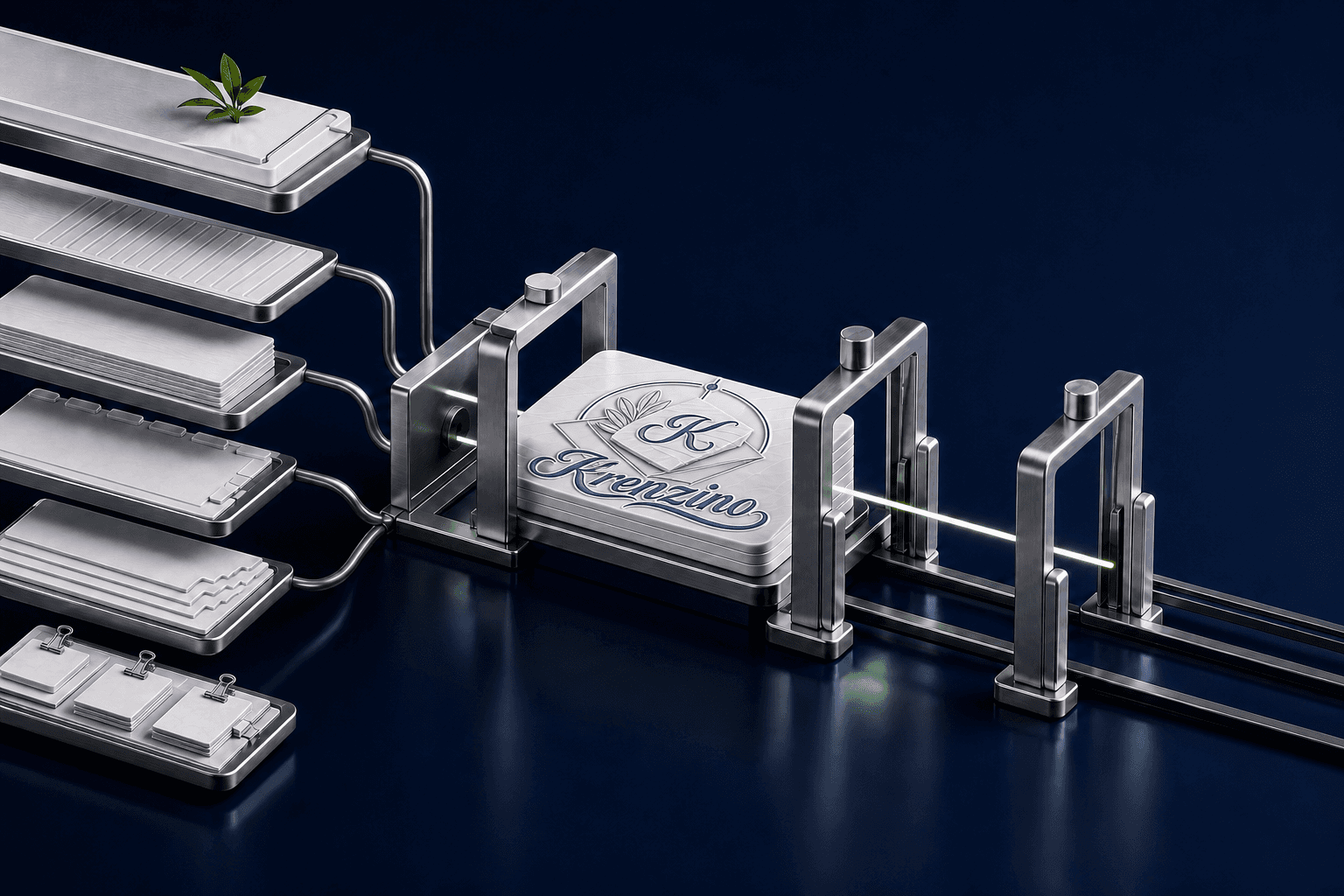
Authoritative records
Krenzino should maintain a single servicing source of truth for applications, approvals, balances, scheduled payments, statements, marketplace activity, account status, disputes, corrections, and consent history.
Source verification
Data should be collected from the applicant, verified service providers, payment processors, account-servicing systems, support workflows, and approved internal tools. Critical identity, address, payment, and account-status data should be validated before use.
Data quality controls
Controls should check completeness, formatting, duplicate records, impossible dates, inconsistent statuses, payment timing conflicts, incorrect balances, missing consent evidence, and records that do not match final account terms.
Change management
Corrections and updates should preserve original values, reason codes, reviewer identity, timestamps, source evidence, and downstream systems affected. High-risk updates should require review before reporting or customer-facing use.
Duplicate prevention
Each applicant and account should use stable identifiers to reduce duplicate applications, duplicate accounts, duplicate statement records, duplicate payment events, and duplicate reporting rows.
Access control
Access to Social Security numbers, date of birth, payment records, fraud signals, and account history should be limited by role, need, and purpose. Access should be logged, reviewed, and removed when no longer needed.
Retention
Application, identity, payment, account, disclosure, consent, support, dispute, reporting, and audit records should be retained for the period required by applicable law, bureau programs, tax/accounting needs, fraud prevention, and legal holds.
Vendor oversight
Vendors handling consumer data should be reviewed for security, privacy, contractual limits, data purpose, retention, incident handling, and access controls before integration and periodically after launch.
Incident handling
Suspected data errors, unauthorized access, security incidents, missing records, or reporting defects should be logged, escalated, investigated, corrected, and retained with evidence of resolution.